开放时间闭馆
|星期五, 八月 21, 20265 Avenue Albert de Mun, 75116 Paris, 法国 (Trocadéro花园)
返回 environment
sustainability
Paris Aquarium Sustainability – Energy & Filtration Efficiency
How Paris Aquarium optimizes sustainability: energy-efficient LEDs, heat recovery, filtration performance and waste reduction strategies.
11/10/2025
13 min read
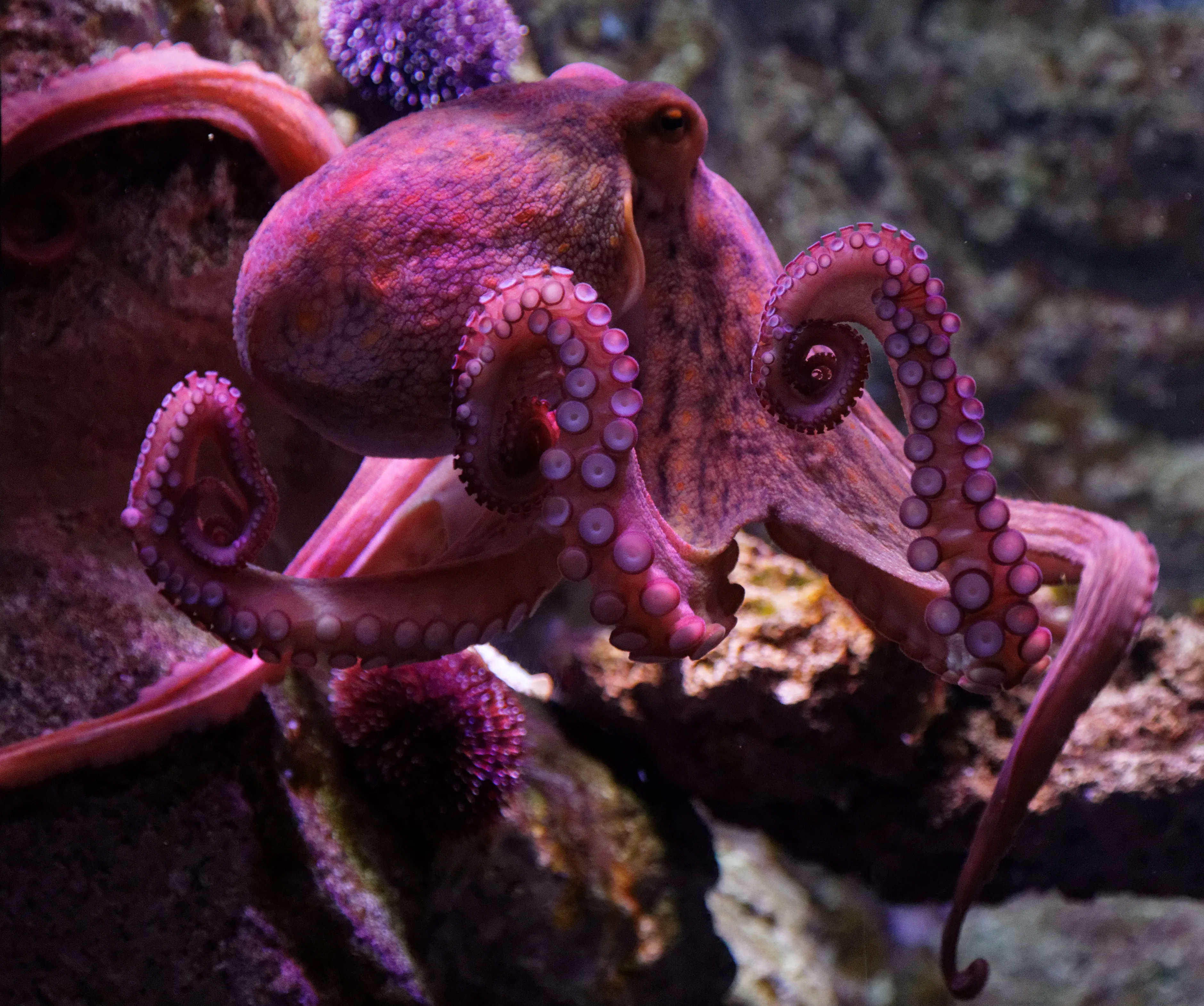
Operational footprints matter in public trust.
1. Lighting Optimization
- Spectrum tuning (blue/white balance) reduces algae encouragement while supporting photosynthetic coral symbionts.
- LED arrays scheduled with gradual sunrise/sunset ramp → lowers animal stress.
2. Heat & Energy Recovery
- Chiller waste heat redirected to ambient zone heating.
- Insulated pipe runs reduce thermal loss.
3. Filtration Efficiency
| Component | Function | Sustainability Angle |
|---|---|---|
| Protein Skimmer | Removes dissolved organics | Reduces need for large water changes |
| Refugium | Macroalgae nutrient uptake | Natural nitrate/phosphate export |
| UV Sterilizer | Pathogen control | Minimizes chemical interventions |
4. Water Use Strategy
- Partial recirculation with controlled evaporation top-up.
- RO/DI system waste water repurposed for non-sensitive cleaning tasks (where permissible).
5. Waste Reduction
- Separate organic sludge drying → potential compost partnerships.
- Recycled visitor cafeteria plastics integrated into educational displays about circularity.
6. Metrics & Transparency
- Publishing annual sustainability snapshot fosters accountability (energy kWh per 1,000 L, water turnover rate).
Bottom Line
Paris Aquarium sustainability blends engineering pragmatism with educational signaling—systems quietly model responsible aquatic stewardship.
关于作者

Sustainability Analyst
本指南旨在简化参观——清晰选择、合适时机与不容错过的亮点。
Tags
sustainability
energy efficiency
filtration
waste reduction
green operations
Comments (0)
Leave a Comment
Loading comments...